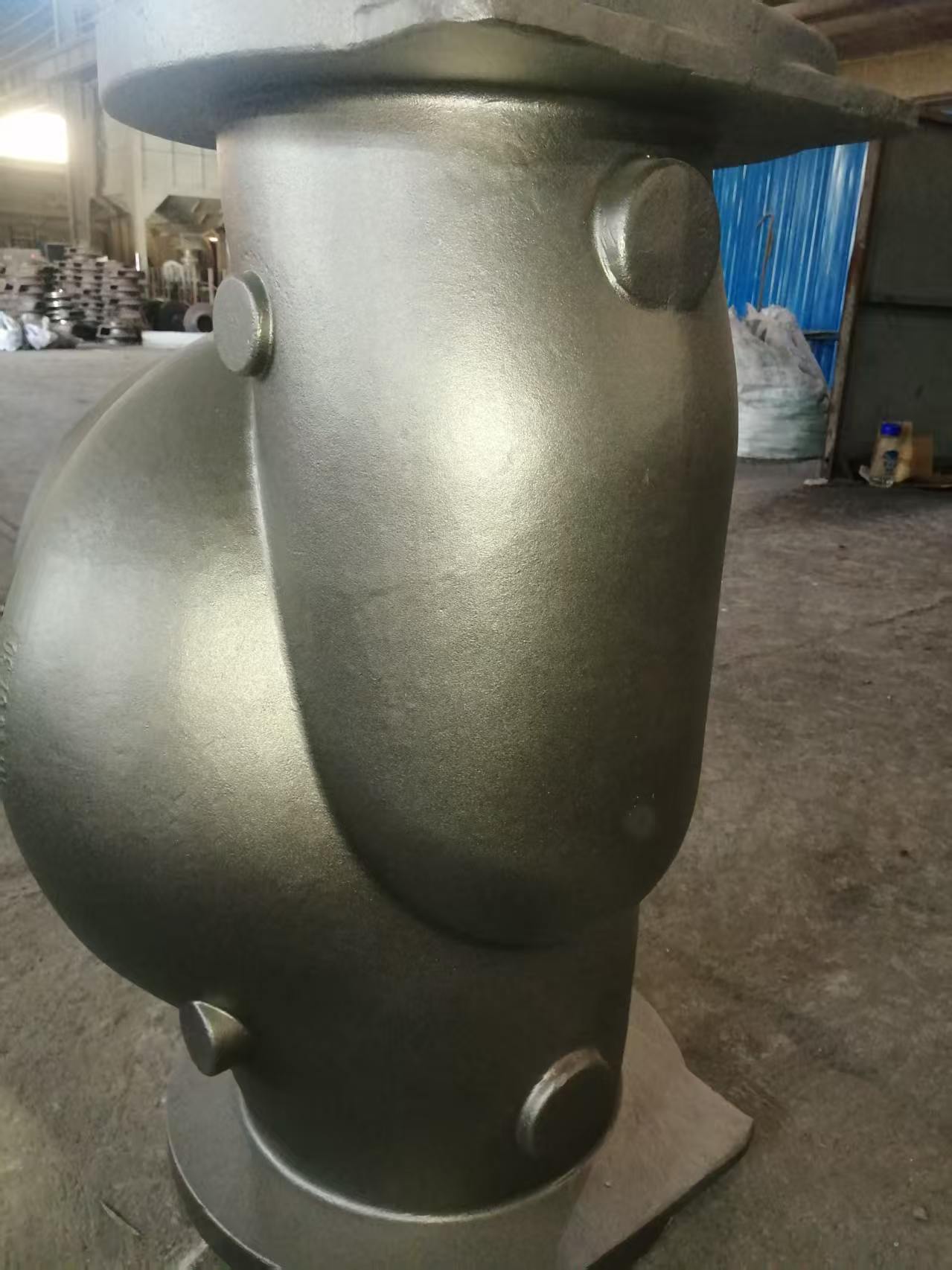

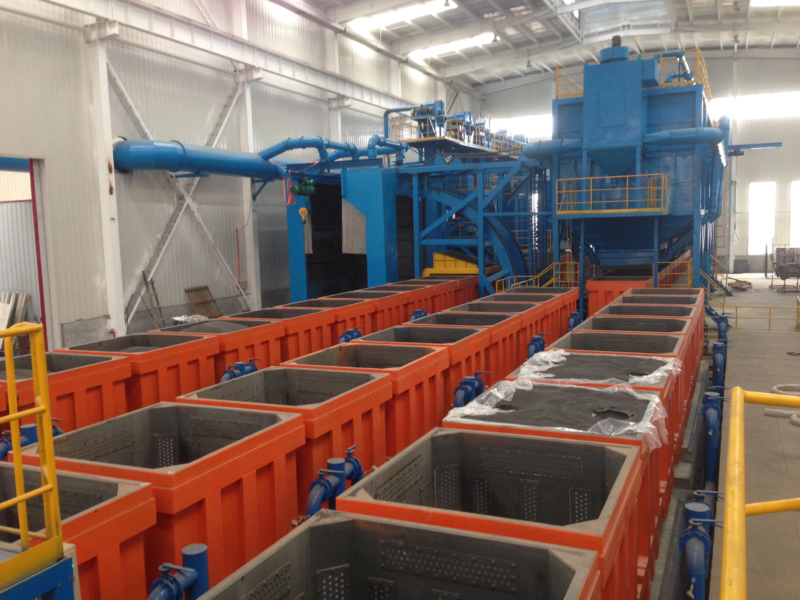
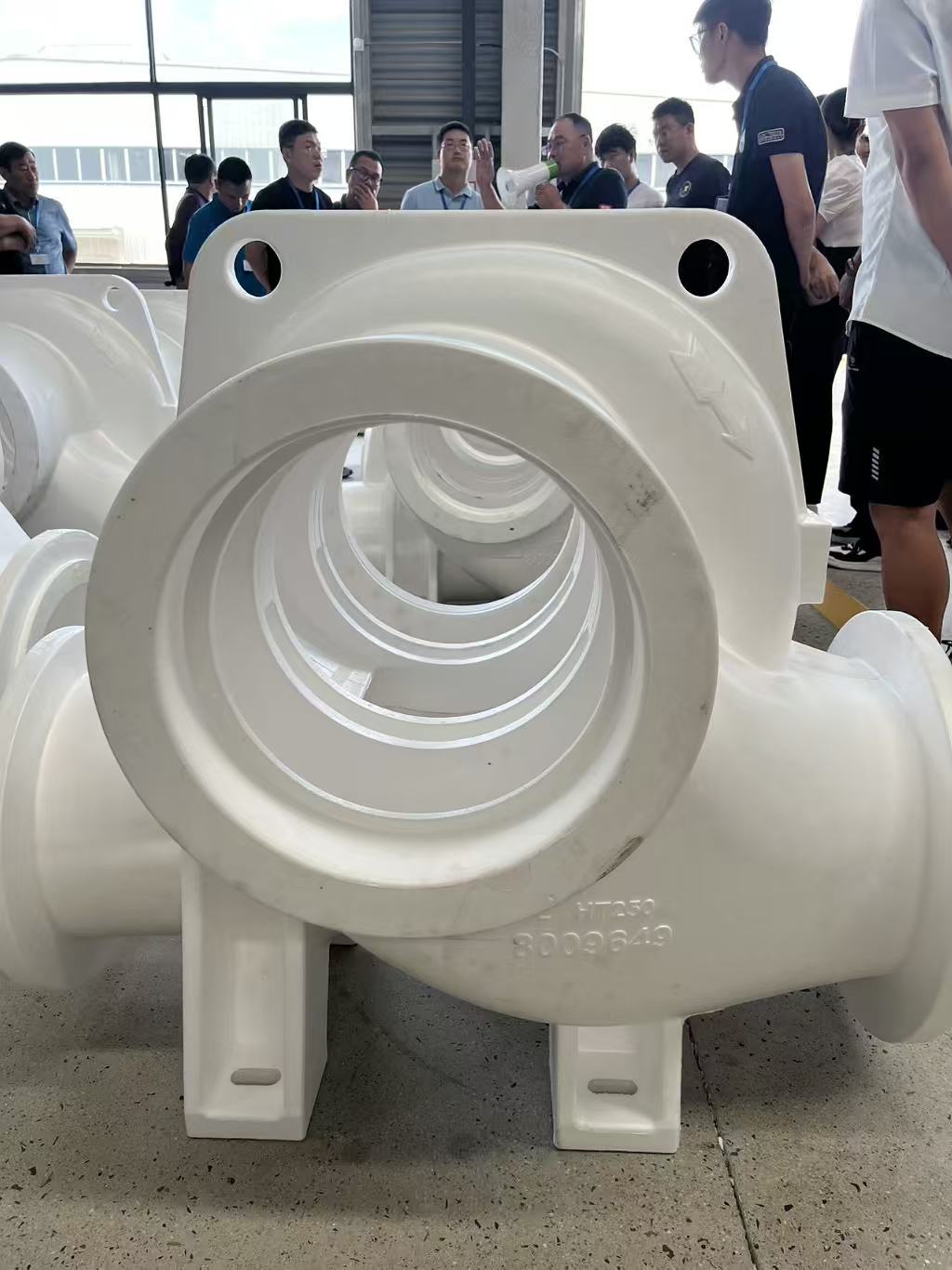


Lost Foam Investment Casting Production Line | Precision Evaporative Pattern Casting System
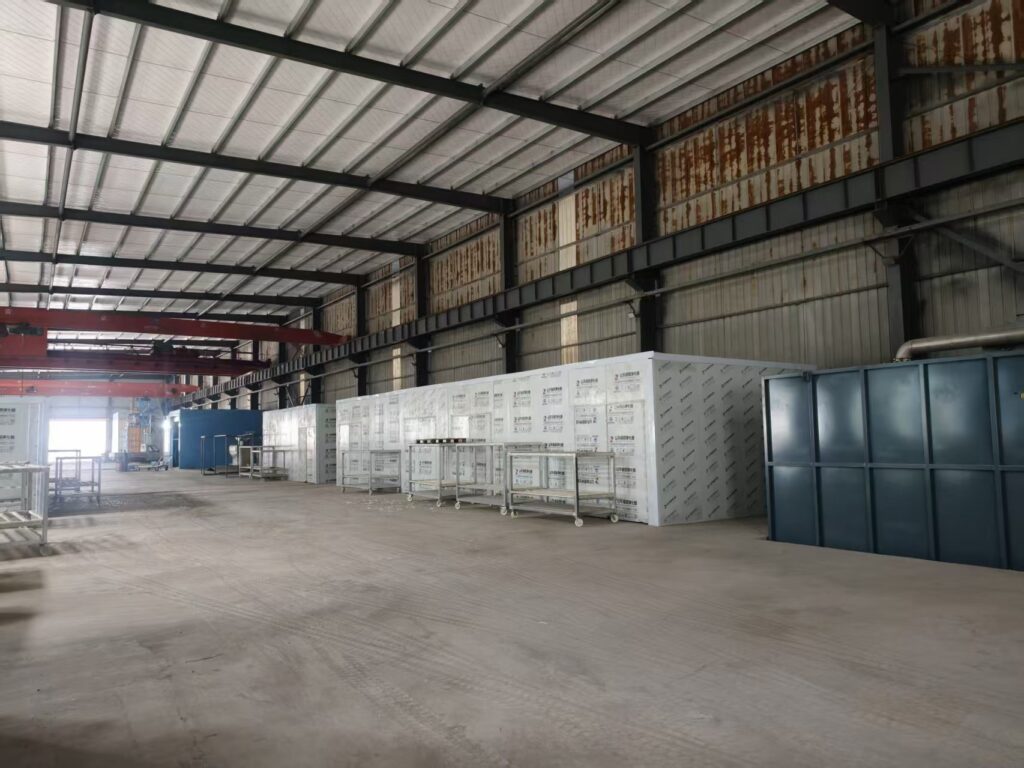
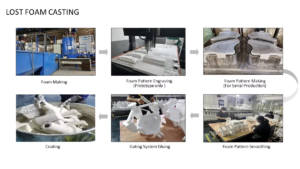
Complete Working Process of Lost Foam Investment Casting Production Line
The Lost Foam Investment Casting Production Lineis an advanced casting technique. Its core principle involves burning away the foam pattern to create a hollow shell before pouring in the molten metal; this primarily addresses the issue of unwanted carbon pickup (carburization) often found in traditional lost foam casting.
How does it differ from standard lost foam casting?
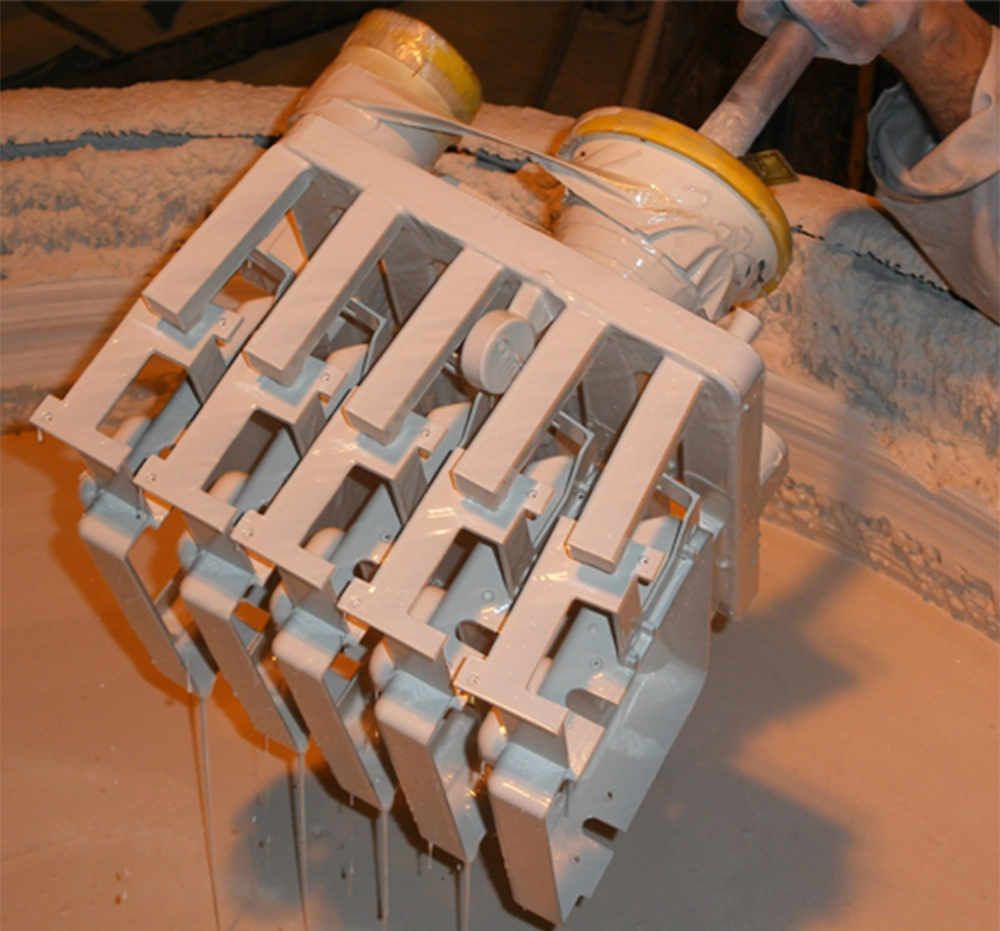
In standard lost foam casting, the molten metal flows in while the foam pattern vaporizes and escapes due to the heat—processes that occur almost simultaneously. The hollow-shell process, however, adds a crucial step: before pouring, the foam pattern inside the sand mold is completely burned away via ignition and vacuum extraction, leaving behind only a “hollow shell” made of refractory coating. The molten metal is then poured into this empty cavity.
**Traditional Process:** Molten metal displaces the foam; byproducts of foam vaporization can easily remain trapped within the casting.
**Hollow-Shell Process:** The foam is burned away first; the molten metal fills an empty cavity, preventing contact between foam decomposition products and the metal.
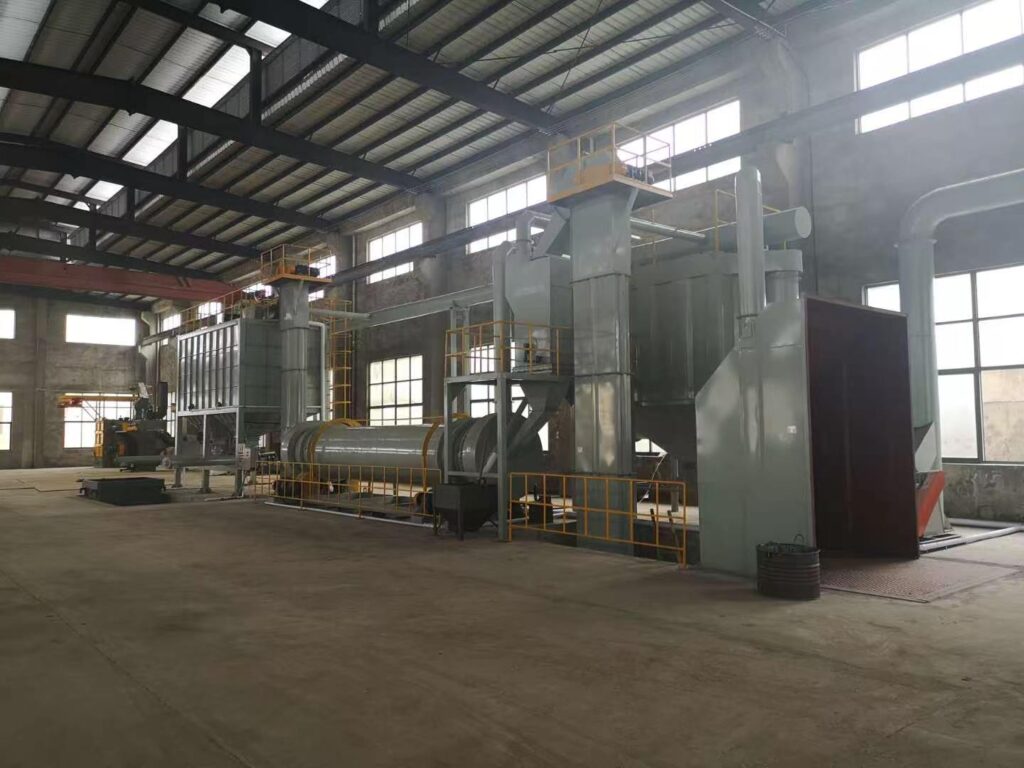
Core Product Advantages
- **Elimination of Carbon Defects:** Since the foam is burned away beforehand, the casting avoids issues like carburization, slag inclusions, or surface wrinkling, resulting in superior hardness and machinability.
**Higher Precision:** The quality of the resulting castings approaches that of investment casting, making it suitable for complex part geometries.
**Environmental Friendliness:** Fumes generated during combustion can be extracted and purified via the vacuum system, reducing pollution.
**Key Challenges**
**Risk of Mold Collapse:** Once the foam burns away, the internal vacuum level drops rapidly; if external atmospheric pressure is too high, the sand mold is prone to collapsing.
**Strict Sealing Requirements:** Poor sealing at the pouring inlet and risers can lead to air or sand leakage, resulting in a higher scrap rate. - The biggest selling point of this process is the ability to produce higher-quality castings—particularly for materials sensitive to carbon content—though the operational complexity is also higher.
Main Application Industries
Primarily addresses the carbon pickup defects associated with traditional lost-foam casting; suitable for producing high-purity, high-precision castings with complex geometries, particularly excelling in cast steel and high-quality cast iron components.
**Automotive and New Energy Components**
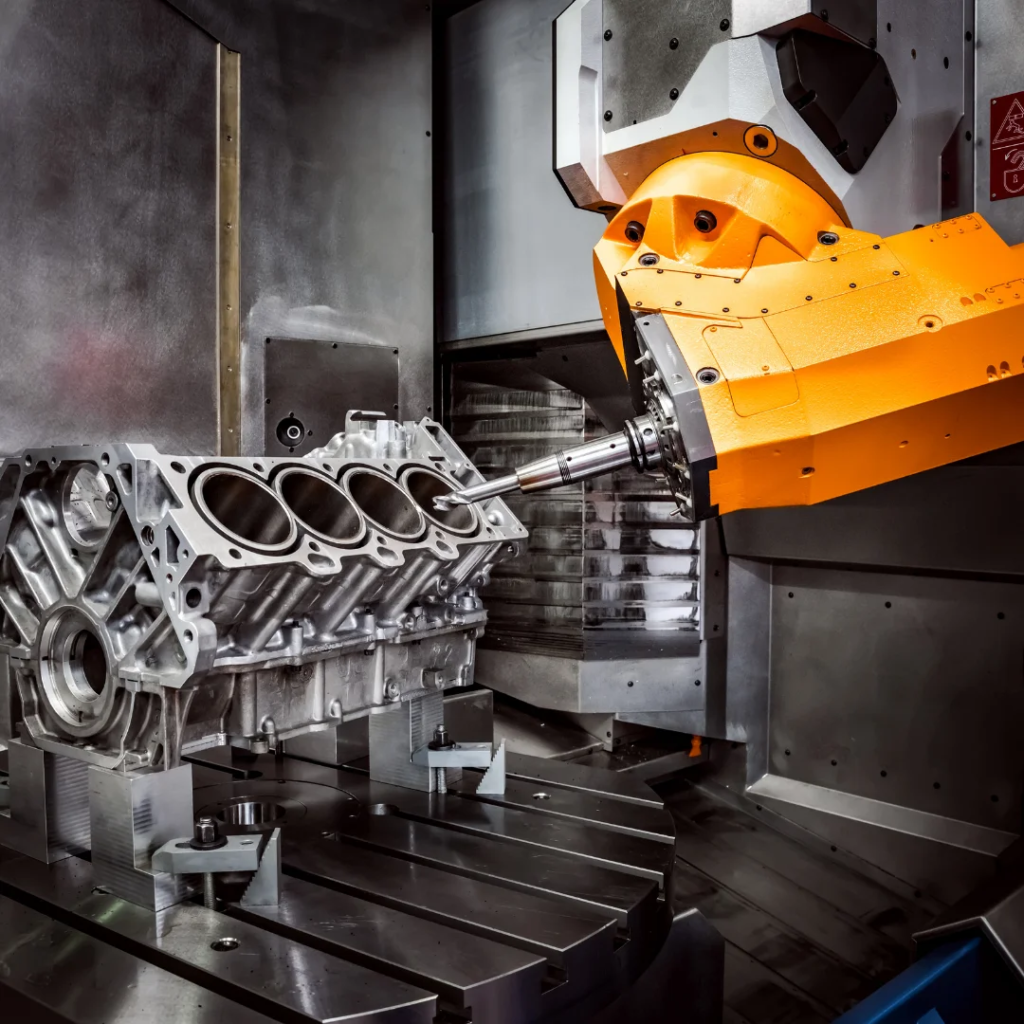
* **Engine/Motor Housings:** Aluminum alloy cylinder blocks, cylinder heads, water-cooled motor housings for new energy vehicles, and transmission housings.
* **Complex Piping Systems:** Intake and exhaust manifolds, oil circuit systems, vacuum pump housings, and other components featuring narrow internal cavities.
* **Critical Structural Parts:** Brake brackets, flywheel housings, steering knuckles, and other safety-critical components requiring high strength.
**High-End Equipment and Machinery Components**
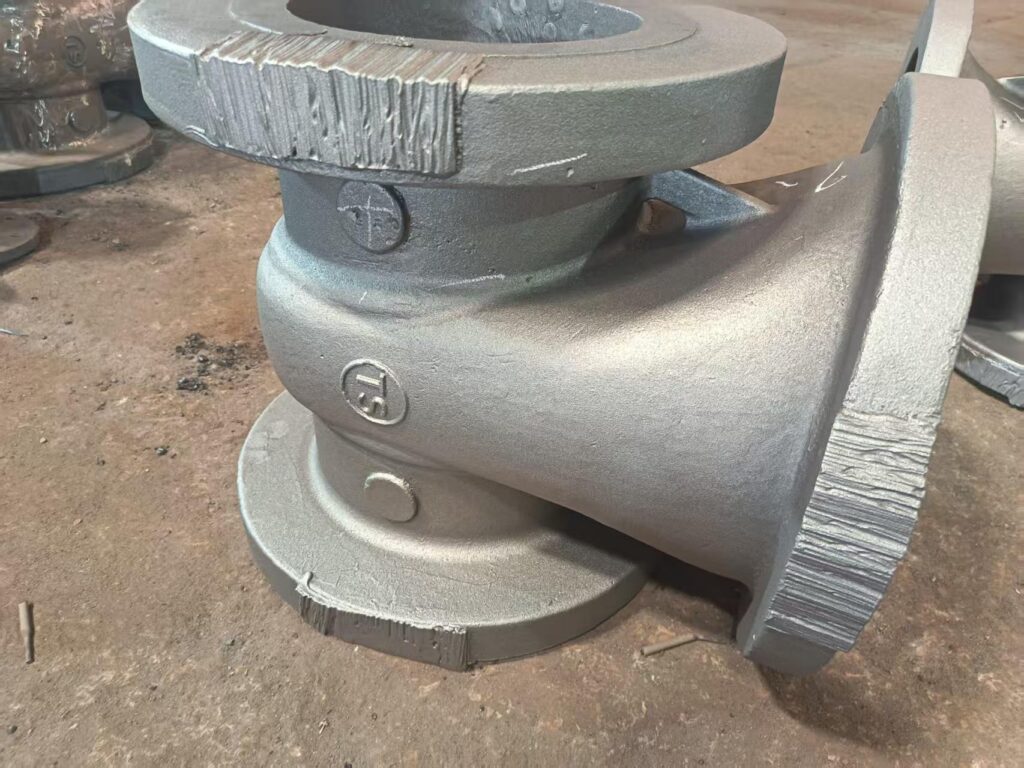
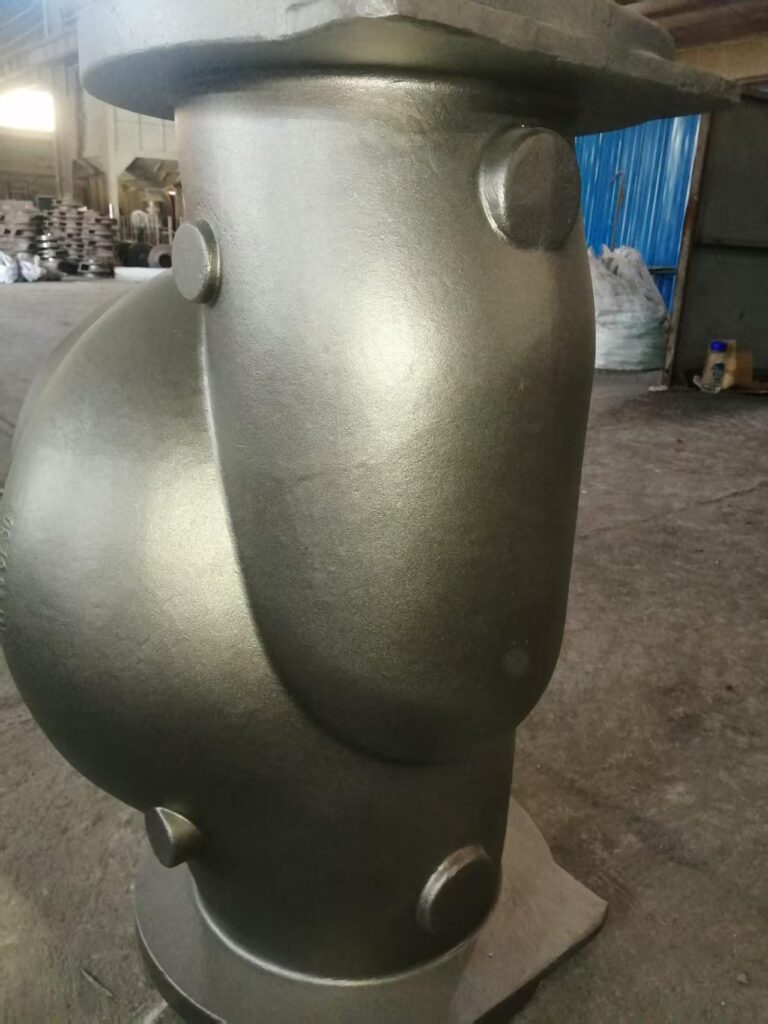
* **Pumps and Valves:** Stainless steel hollow valve plates, corrosion-resistant pump casings, high-pressure gate valve bodies, and impellers.
* **Machine Tools and Heavy Industry:** Machine tool beds, large cold-stamping die components, mining equipment parts, and wind power bases.
* **General Machinery:** Compressor housings, pipe fittings, and complex agricultural machinery components.
**Specialty Alloys and Precision Castings**
* **Heat/Wear-Resistant Parts:** Aluminum/magnesium melting crucibles (e.g., ZG40Cr9Si2 material), high-temperature furnace components, and wear-resistant cover plates.
* **Aerospace and Defense:** Precision parts with stringent internal quality requirements, such as pneumatic engine impellers, missile nozzles, and aerospace combustion chambers.
* **Stainless Steel and Alloy Steel Parts:** Because the hollow-shell process effectively eliminates carbon sources from the foam pattern, it is particularly well-suited for producing castings sensitive to carbon content, such as low-carbon steel and stainless steel.